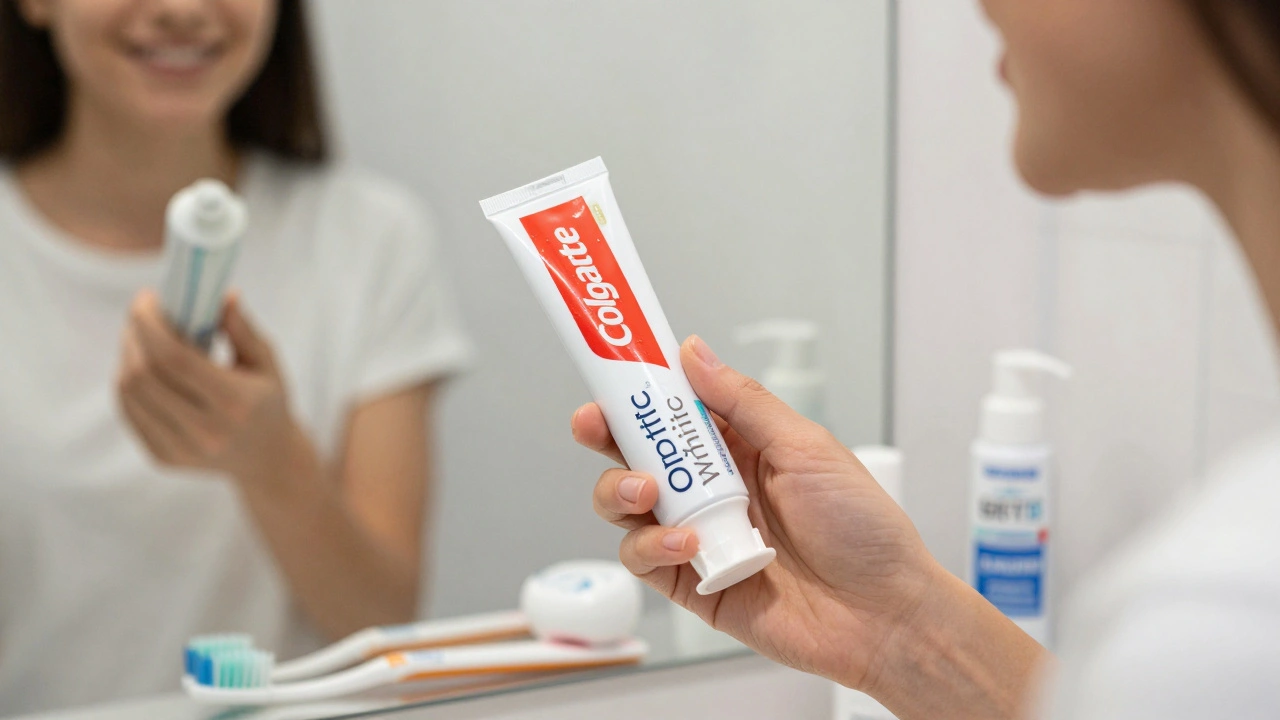
Zubní pasta pro bělení: Co skutečně dělá a co je lepší řešení?
When you buy zubní pasta pro bělení, speciální typ zubní pasty určený k odstranění povrchových skvrn z zubů. Also known as bělící zubní pasta, it works by using mild abrasives or chemical agents to polish away stains from coffee, tea, or wine—but it cannot change the natural color of your enamel from the inside. Many people think it turns yellow teeth snow-white, but that’s not how it works. If your teeth are dark because of aging, medication, or deep stains, no amount of whitening paste will fix that. It’s like trying to clean a dirty T-shirt with a damp cloth—you might remove surface dirt, but the stain stays.
What most don’t realize is that bělení zubů, profesionální metoda, která používá peroxid vodíku nebo karbamidu k prohloubení barvy zubů, is a completely different process. It penetrates the enamel and breaks down pigments inside the tooth. That’s why dentist-led treatments like Opalescence last years, while whitening paste fades in weeks. And if you use abrasive whitening pastes too often, you risk wearing down your enamel—making teeth even more sensitive and prone to zubní kaz, poškození zubního emailu způsobené kyselinou od bakterií. A 2021 study from the Journal of Clinical Dentistry found that overuse of whitening pastes increased enamel roughness by up to 40% in just three months.
So what should you do instead? If you want real results, start with good hygiene: brush twice a day with a regular fluoride paste, floss daily, and get your teeth professionally cleaned every six months. That alone removes most surface stains. For deeper whitening, talk to your dentist about at-home trays or in-office laser treatments. They’re safer, more predictable, and actually change your tooth color—not just scrub the surface.
And don’t forget: barva zubů, přirozený odstín vašich zubů, který se mění s věkem, stravou a genetikou isn’t always a health issue. Yellowish teeth aren’t necessarily dirty—they’re just older. Many people with perfect oral hygiene still have naturally darker enamel. Trying to bleach them into pure white can backfire. The goal isn’t to look like a movie star—it’s to have healthy, natural-looking teeth that don’t hurt when you drink cold water.
Below you’ll find real-life guides on what actually works: from how to tell if your stains are from coffee or early decay, to why whitening strips often disappoint, and what professional methods deliver real, lasting results. No hype. No gimmicks. Just clear answers to help you make smarter choices for your smile.